Source: Fortune.com
Summary
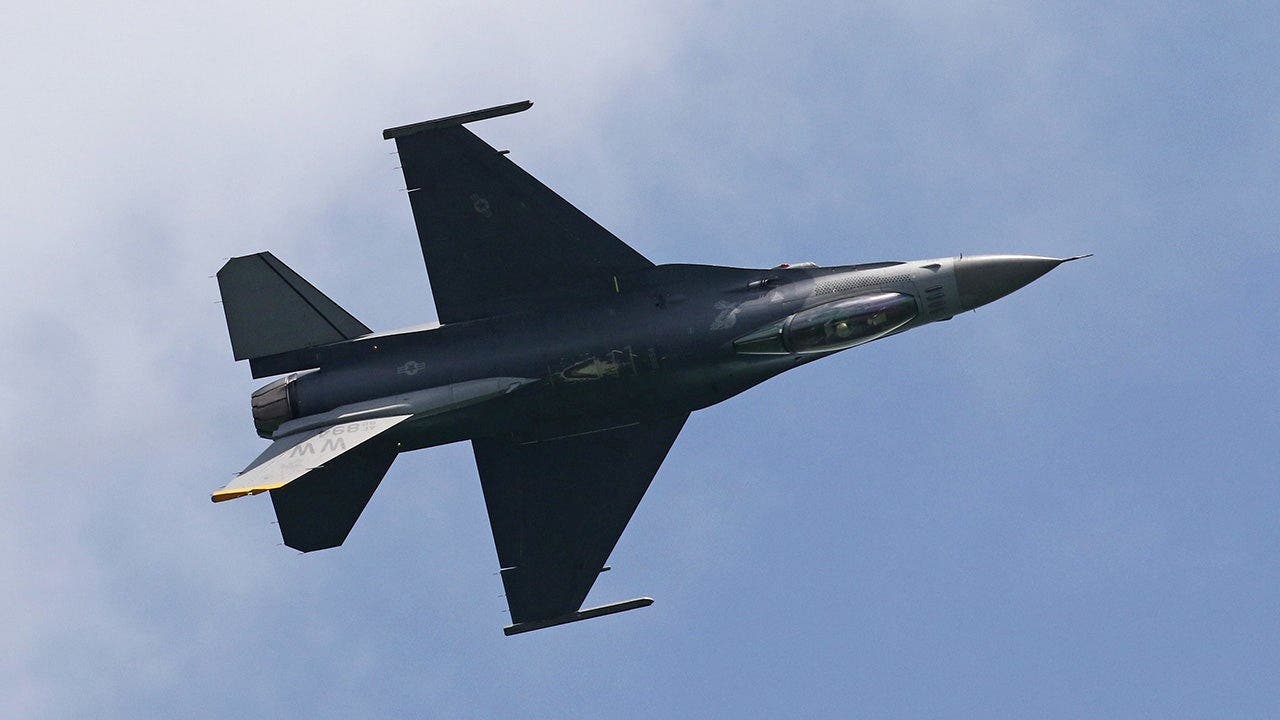
The US is deploying three more amphibious assault ships and 2,500 additional Marines to the Middle East, amid escalating tensions with Iran. Iran has threatened to expand its retaliatory attacks to include recreational and tourist sites worldwide. The US has also lifted sanctions on Iranian oil loaded on ships, in an effort to reduce soaring fuel prices. The conflict has shown no signs of abating, with Israel continuing to strike Hezbollah militants in Lebanon and Iran firing missiles at Israel.
Our Reading
The numbers tell one story.
Iran’s attacks are still choking off oil supplies and raising food and fuel prices far beyond the Middle East. The US is bolstering its firepower in the region, while also considering “winding down” military operations. The Trump administration has lifted sanctions on Iranian oil, but it remains to be seen if this will drop prices. The conflict has already killed over 1,300 people in Iran, 15 people in Israel, and 13 US military members.
The announcement sounds familiar, as the US and Israel have offered shifting rationales for the war, from hoping to foment an uprising to eliminating Iran’s nuclear and missile programs.
Iran’s top military spokesperson has warned that “parks, recreational areas and tourist destinations” worldwide will not be safe for the country’s enemies.
The strategy enters a familiar phase, as the US and Iran engage in a game of escalation and retaliation.
The Trump administration’s move to lift sanctions on Iranian oil is a signal that the US is trying to find ways to reduce the economic impact of the conflict.
Iran’s Supreme Leader Ayatollah Mojtaba Khamenei has praised Iranians’ steadfastness in the face of war, and has warned that the US and Israeli attacks are based on an illusion that killing Iran’s top leaders can cause the overthrow of the government.
The conflict has already had a significant impact on the global economy, with Brent crude oil prices soaring to around $108 per barrel.
Author: Evan Null