Source: Fortune.com
Summary
Paramount agreed to settle an antitrust lawsuit with 12 states, clearing the final hurdle for its $81 billion acquisition of Warner Bros. Discovery. The settlement includes a five-year film production plan and a $1.5 billion investment in domestic movies. Analysts say the deal could reduce competition and lead to higher consumer prices. Paramount also agreed to create a $25 million fund for independent films and a $47.5 million workforce fund for laid-off workers. The agreement includes penalties for failing to meet production targets.
Our Reading
The numbers tell one story.
Paramount agreed to a $1.5 billion investment in domestic films.
It will produce 30 to 32 films a year for five years.
The deal includes penalties for missing production goals.
Consumers are worried about price hikes, not theatrical releases.
Author: Evan Null
Paramount’s Settlement with 12 States
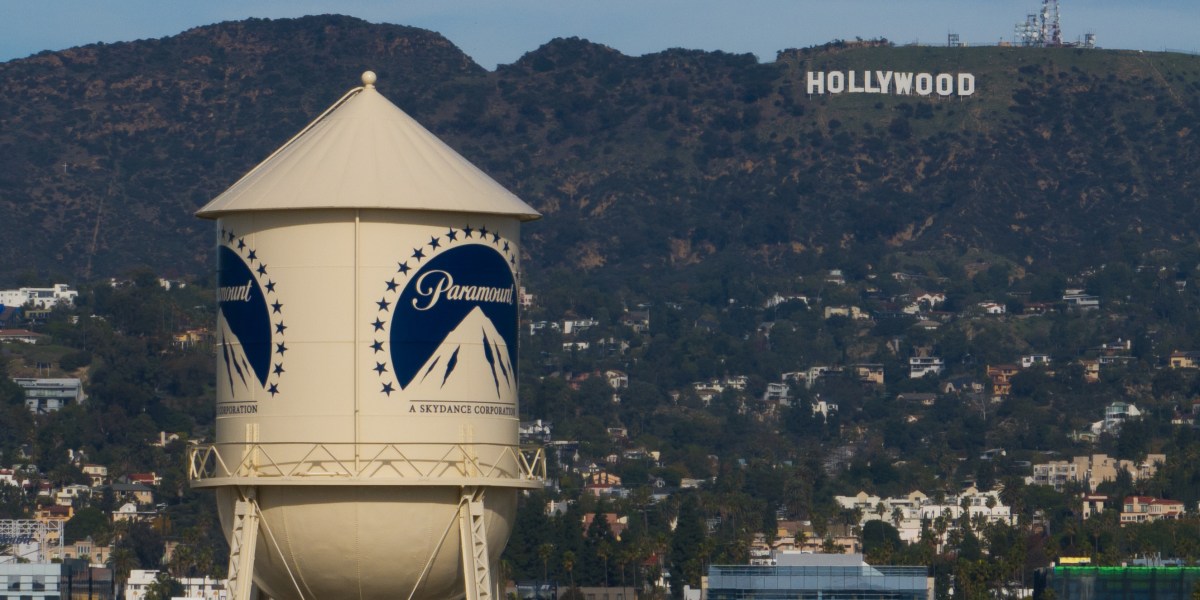
Paramount reached a settlement with 12 states to clear the final hurdle for its $81 billion acquisition of Warner Bros. Discovery. The deal, which still needs judicial approval, includes a five-year movie production plan and a $1.5 billion investment in domestic films. The states argue the settlement ensures investment in U.S. production and protects workers, but analysts remain skeptical about the long-term impact on competition.
Investment in Domestic and Independent Films
Paramount committed to spending $1.5 billion over five years on domestic films, with $300 million annually on top of 2025 spending. Currently, only 5% of its production is in the U.S. The company also plans to create a $25 million fund for independent films. These measures aim to address antitrust concerns and ensure continued support for domestic cinema.
Five-Year Film Production Schedule
The settlement requires Paramount to produce 30 films a year in the first two years and 32 in the next three. It must also release at least four independent films annually. Failure to meet these targets could result in selling Miramax Studios and paying $30 million to union trust funds. This schedule aligns with CEO David Ellison’s vision for expanding the movie slate.
Fund for Laid-Off Workers
Paramount agreed to a $47.5 million workforce fund for training and career development for employees affected by job cuts. The company plans to save $6 billion through “duplicative operations” after the merger. The agreement also requires honoring collective bargaining agreements and negotiating in good faith with unions.
Cable Channels and Editorial Independence
Paramount will not have to sell its cable channels but must negotiate separately on basic cable under its and Warner Bros. brands for five years. If it fails, it may have to sell some channels. The deal also mandates an independent board to ensure editorial freedom for CNN and CBS, which are owned by Warner Bros. and Paramount, respectively.